Impact Stage
Workforce Transformation for Social Good: Rethinking Talent Development for a Future-Ready Economy
11 Sep (Fri) Day 2 : 15:40 – 16:30
To explore how workforce transformation can be advanced as a force for social good, this session will discuss how education, entrepreneurship, technology, and cross-sector collaboration can better prepare people for a rapidly changing world of work. As AI and emerging innovations reshape skills demand, tertiary education must move beyond traditional knowledge delivery to develop adaptive, responsible, and socially minded talent.
Participants will gain insights into how educators, entrepreneurs, businesses, and NGOs can work together to strengthen workforce readiness, inclusion, and lifelong learning. The discussion will also highlight how future talent development can address not only organisational needs, but also broader social challenges, ensuring that individuals and communities are equipped to thrive in an evolving economy.
Session Learnings:
- How AI, innovation, and changing social needs are transforming the skills required for the future workforce.
- Why workforce transformation should be understood not only as a business challenge, but also as an education and social good challenge.
- How tertiary education can better prepare students and lifelong learners to adapt to evolving workforce demands.
- What entrepreneurs, businesses, NGOs, and educators can learn from one another in developing future-ready talent.
- How cross-sector collaboration can create more inclusive pathways for workforce readiness and social impact.
Post-Event Actions:
- How AI, innovation, and changing social needs are transforming the skills required for the future workforce.
- Why workforce transformation should be understood not only as a business challenge, but also as an education and social good challenge.
- How tertiary education can better prepare students and lifelong learners to adapt to evolving workforce demands.
- What entrepreneurs, businesses, NGOs, and educators can learn from one another in developing future-ready talent.
- How cross-sector collaboration can create more inclusive pathways for workforce readiness and social impact.
Speakers
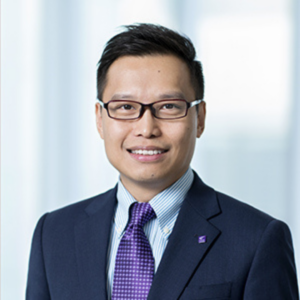
Moderator
Dr. Fred Ku
Programme Director, Business Education for Social Good (BESGO) ; Associate Dean, CUHK Business School
BESGO, CUHK
Dr. Fred Ku
BESGO, CUHK
Programme Director, Business Education for Social Good (BESGO) ; Associate Dean, CUHK Business School
Dr. Fred Ku, Associate Dean (Undergraduate Studies) at CUHK Business School, is an accomplished scholar and award-winning educator in fields of business economics, social values and ESG. He is also the founder and director of CUHK BESGO Programme, which aims to cultivate social mindset of budding business leaders and proactively drive cross-sector collaboration to co-create greater social good. Besides, Dr. Ku provides training and consultancy services to businesses and government agencies.
My sustainability goals for 2026:
I aspire to see Hong Kong nurturing socially conscious leaders, and businesses prioritizing social value alongside economic profit, ultimately fostering a sustainable and inclusive society.
Speaking at 2026 sessions:
Day 2
Workforce Transformation for Social Good: Rethinking Talent Development for a Future-Ready Economy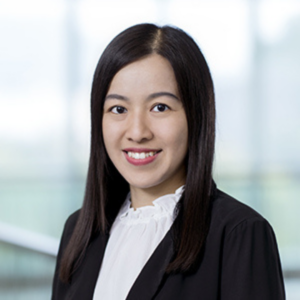
Dr. Rosette Leung
Co-Director, Global Business Studies Programme; Associate Director, Integrated BBA Programme
CUHK Business School
Dr. Rosette Leung
CUHK Business School
Co-Director, Global Business Studies Programme; Associate Director, Integrated BBA Programme
Dr. Rosette Leung is a Lecturer in the Department of Marketing at The Chinese University of Hong Kong (CUHK) Business School. She teaches various courses, including Marketing Management, Global Marketing Management, Buyer Behaviour, Digital Marketing, and Integrated Marketing Communication. Her research interests span multiple areas, from social media marketing to internet-based relationships.
My Sustainability Goals for 2026:
My sustainability goals are to inspire and equip the next generation with the knowledge, skills, and determination to make sustainable choices and become leaders on fostering a more sustainable future. In addition to my commitment in business case writing about sustainability, innovation and climate change, I hope I can engage in more collaborative efforts with organizations and academics for sharing knowledge and best practices in sustainability.
Speaking at 2026 sessions:
Day 2
Workforce Transformation for Social Good: Rethinking Talent Development for a Future-Ready EconomySupported by
BESGO, CUHK
BESGO, a program backed by CUHK Business School, aims to educate and inspire the next generation of change-makers on how social good, social innovation, and sustainable practices can shape businesses and society’s future. With activities like training workshops, talks, and real-world projects, BESGO helps deepen students’ understanding of social needs and sustainability issues. By connecting educators, business professionals, social innovators, and future change-makers, BESGO fosters collaboration and creates shared value towards building a better future for all.
Our sustainability goals for 2026:
- Increase the awareness and understanding of social and environmental issues among students and participants by providing educational resources, workshops, and field visits.
- Foster partnerships and collaborations with local and international organizations that align with BESGO’s mission and values, and promote sustainability and social good.
- Engage and empower students to take action and create positive social and environmental impacts through BESGO’s programs and activities, and provide opportunities for them to apply their knowledge and skills in real-world projects.
Our initiative in accelerating sustainable development in Hong Kong:
BESGO has organized various activities to promote social innovation, social good, and sustainable practices. In the past, we have designed and produced teaching and learning materials, conducted seminars and workshops, and facilitated visits to community and social enterprises. We also published feature articles and teaching cases, and presented at local and international conferences. These initiatives aim to raise awareness, deepen understanding, and provide opportunities for students to create real impact and foster collaboration for a better future.